

Cairo, the Nile and Upper Egypt
The difference between a good Egypt itinerary and an ordinary one is the boat. A cruise ship carries four hundred people and arrives at every temple with the other twenty-two ships; a dahabiya carries twelve, sails, moors at villages, and reaches Gebel Silsila and El Kab, which the big boats cannot enter.
On land, the fixed points are the hours. Karnak at seven is a different building from Karnak at ten. In the Valley of the Kings we choose three tombs carefully, usually Seti I, Tausert and one of the smaller Ramesside, rather than queueing for the famous one.
Cairo has changed with the Grand Egyptian Museum, and it deserves two full days now rather than the traditional afternoon. We pair it with Coptic Cairo, Ibn Tulun and the Khan at dusk.


Private transfer and a first evening on a Zamalek terrace above the river.
The plateau at opening, the Bent and Red pyramids at Dahshur where nobody goes, and the step pyramid at Saqqara.
A half day in the new galleries with an Egyptologist, then Ibn Tulun, Coptic Cairo and the Khan el-Khalili at dusk.
The morning flight, Karnak in the late light, and the avenue of sphinxes on foot into Luxor temple.
The Valley of the Kings at seven for three chosen tombs, then Deir el-Medina, the artisans’ village, and Hatshepsut’s terraces.
Boarding at Esna, under sail by midday, and a first mooring at a village with no road to it.
Painted tombs at El Kab in the morning, the sandstone quarries and rock shrines of Gebel Silsila in the afternoon.
The double temple at first light, then sailing on to Aswan for Philae and a felucca around Elephantine.
A last Nubian breakfast on the west bank and the flight north for the connection home.
Related itineraries
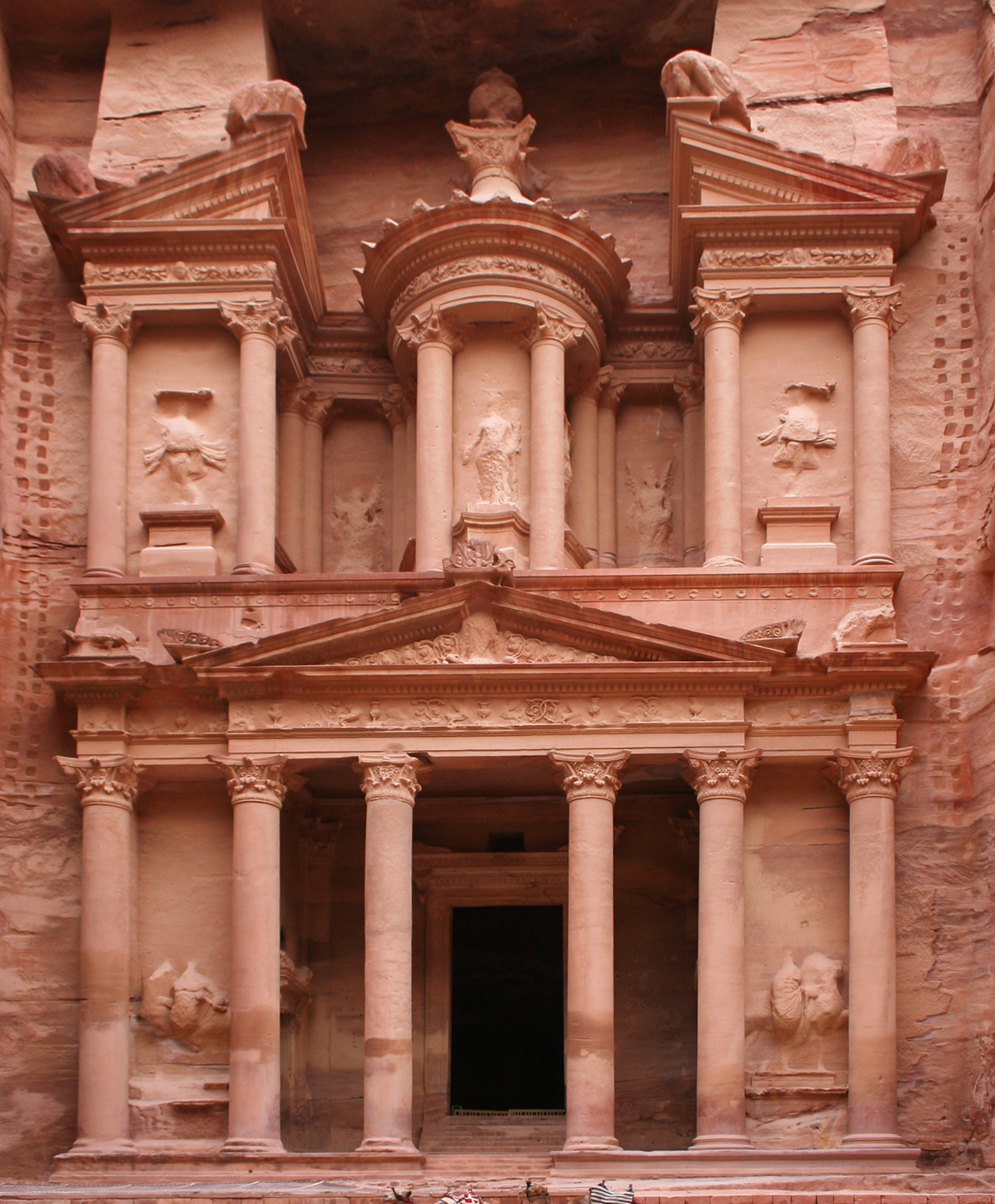
Petra, Wadi Rum and the Dead Sea
Seven days across a small country, with two full days inside Petra rather than one.

The Golden Triangle & Rajasthan
Ten days across three cities and two desert forts, staying in houses that are still lived in.